A customer writes once on WhatsApp, once on Instagram, and once through the form on the website. In most businesses, three channels are three separate worlds: one on the phone, one with the social media team, and one in an email inbox nobody opens. The result is familiar — the question left unanswered, the request that comes at night and is forgotten by morning, the mess of two people giving the same customer different answers. The omnichannel inbox reduces these three worlds to a single screen.
One inbox, one field of view
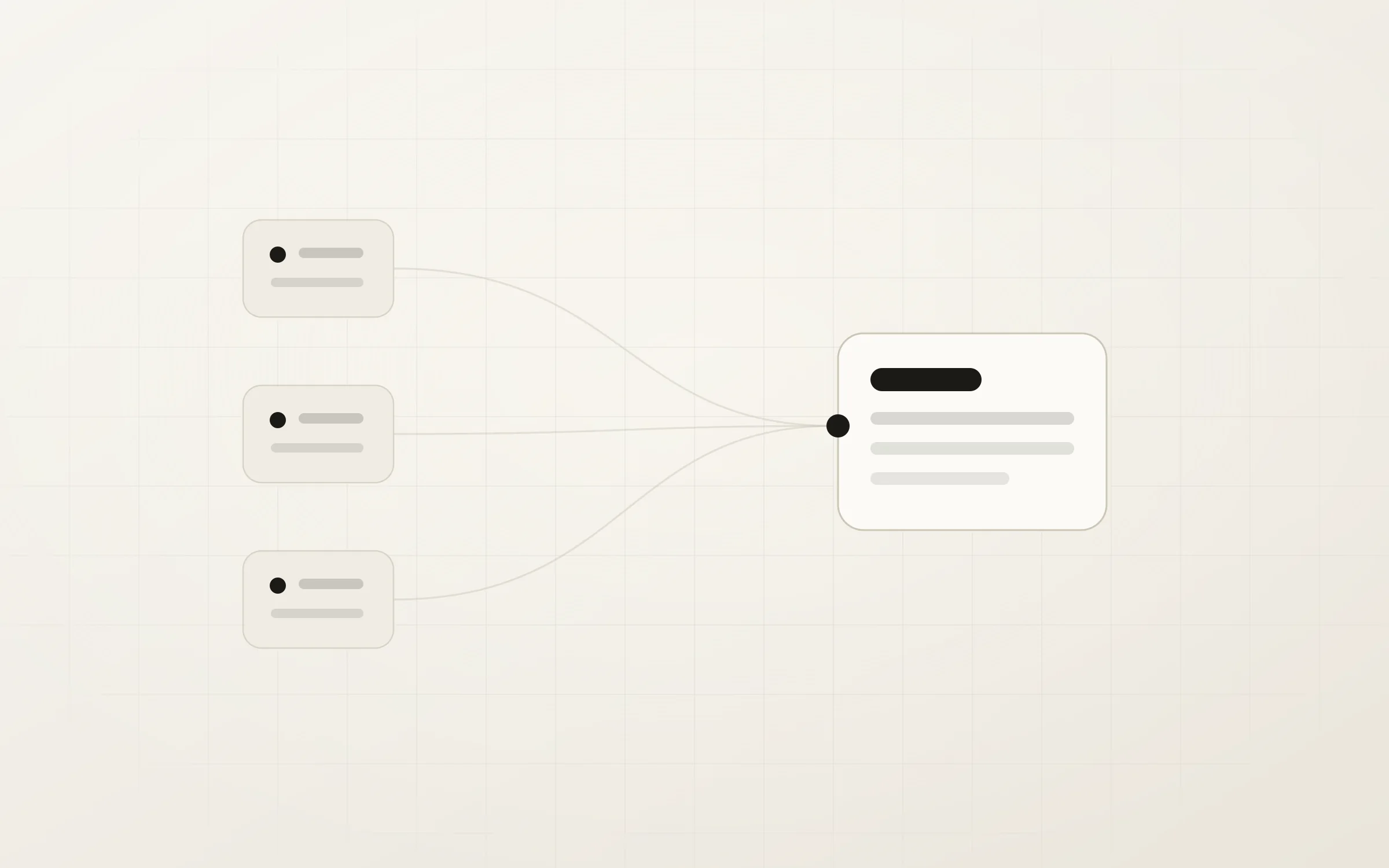
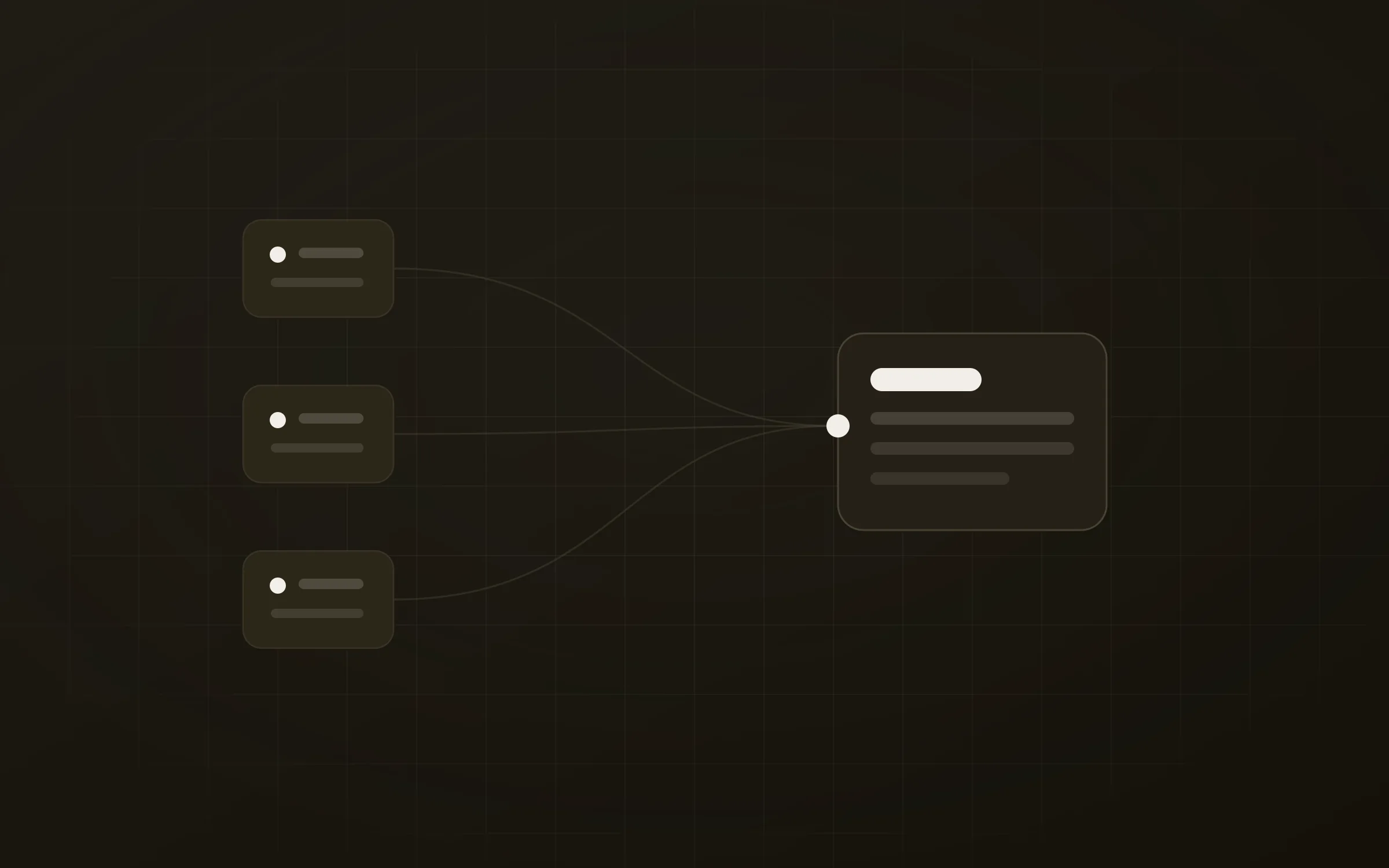
In Corex360, a WhatsApp message, an Instagram DM, and a web form drop into the same stream. A badge tells you which channel it came from; but you don't switch windows to reply. The team sees the same conversation, it's clear who has taken it on, and handoff happens in one click. The question 'Who looked at this message?' disappears, because everyone is looking at the same picture.
What matters is that speed becomes visible. Who responds and how quickly, which channel brings the most questions, which conversation turns into an opportunity — all of it is measured in the same place. The inbox stops being a pile and becomes the mouth of a sales pipeline.
A conversation's value shows not in which channel it came from, but in where it goes.
From message to CRM contact, from contact to opportunity
The real transformation happens here: every incoming contact automatically becomes a CRM record. That first 'Hi, can I get a price?' message turns into a record with a name, a channel, and a history. This contact opens as an opportunity in the sales pipeline; from first touch to quote, from quote to close, every stage lives on their card. No lead falls into the gap between channels.
You reply directly from the customer card. In front of you is not just a chat bubble; you have that customer's entire history, their past orders, their open opportunities, and even — once integrated — their invoices. As you write your reply, you know who they are, what they've bought before, and what stage they're at. You're not running generic support, but a sales conversation with context.
The lead that doesn't get lost, the sale that closes
Most sales are lost not because of a bad product, but because they weren't followed up. That is the quiet promise of the omnichannel inbox: no conversation is left half-finished, no opportunity is left unowned, no customer walks off to a competitor thinking 'I guess nobody replied.' What turns a message into a sale isn't magic; it's every touchpoint moving forward in one place, on one pipeline, with one clear owner.
When the wall between the social media team and the sales team comes down, a like from Instagram and a question from WhatsApp are managed with the same discipline. Marketing traffic genuinely starts turning into revenue — because now you know where that traffic goes.